


About the Author
Abigail Bond
Abigail Bond is a UK property expert and the owner of Repossessed Houses For Sale.co.uk. With years of experience researching and writing about the British housing market, Abigail offers practical insight into repossessed, derelict and abandoned property opportunities throughout the UK.
Derelict Property For Sale in the UK: 2026 Expert Guide
Introduction
Derelict properties represent a unique and often financially rewarding opportunity within the UK property market. They offer a chance to acquire a site at a significant discount and transform it from the ground up.
However there is something any buyer should remember. These projects are not for the faint of heart; they come with a distinct set of challenges, from complex legal hurdles to unforeseen renovation costs and other pitfalls which can trap the unwary buyer.
This guide provides a comprehensive overview for prospective buyers, covering how to find, assess, and purchase these properties while navigating the common issues that can derail even the most promising property venture.
Understanding the Opportunity: What is a Derelict Property?
To succeed in finding a derelict property for sale, it is strategically important to understand precisely what constitutes a derelict property and why it can be such a compelling investment. A derelict house is fundamentally different from a simple fixer-upper; it is a high-risk, high-reward venture that requires a clear-eyed approach and meticulous planning.
For the right buyer, it represents a completely blank canvas with immense potential, whether that be as a family home, rental property or simply for resale.

Defining a Derelict Property
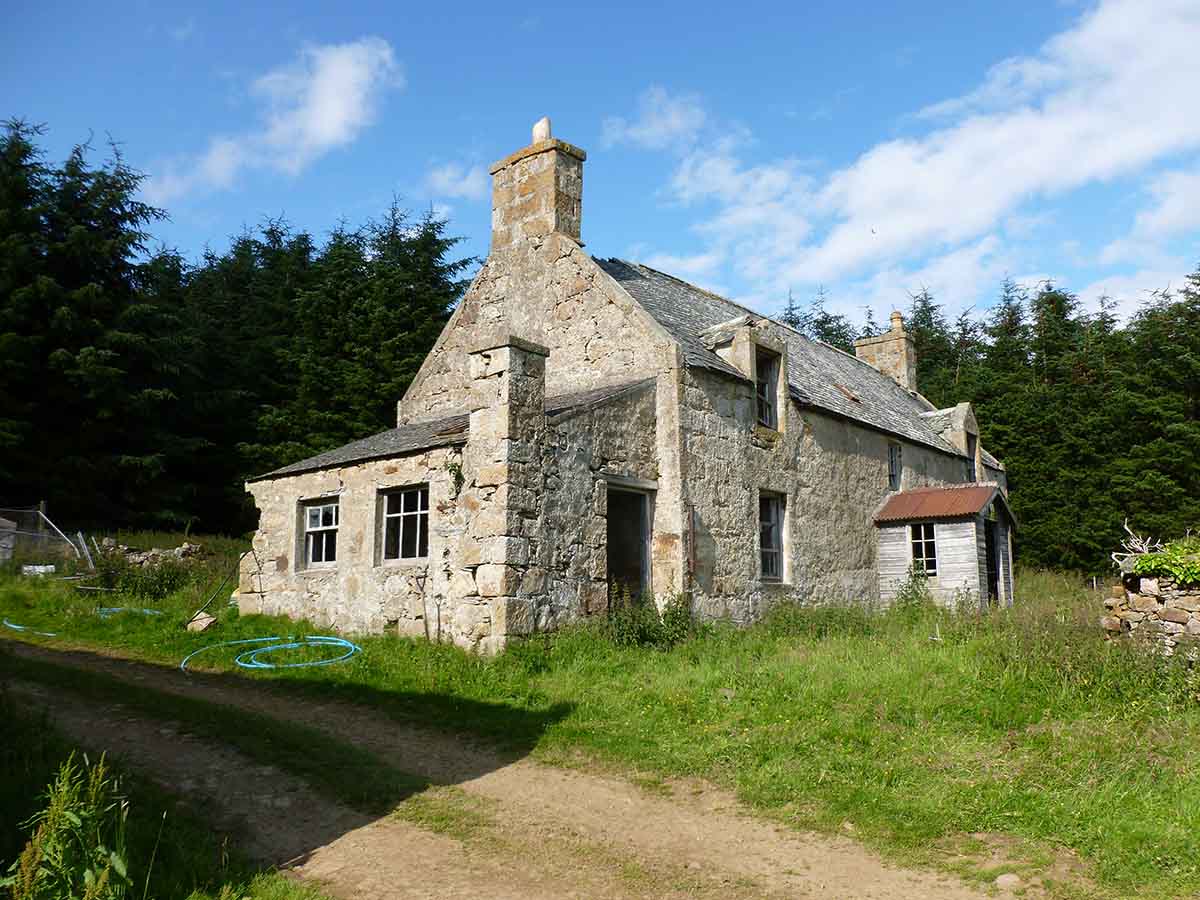
A derelict property is a building that has fallen into a state of severe disrepair, making it fundamentally unfit for its intended purpose. It can be identified by a combination of key characteristics:
- Condition: The property is in such poor condition that it is no longer suitable for living or residential rental purposes.
- Status: It is usually completely neglected, and may be structurally unsound, posing a potential hazard.
- Causes: Dereliction typically stems from a range of complex factors, including owner financial difficulties, unresolved legal disputes such as inheritance issues, environmental damage like flooding, complete abandonment or simply a prolonged lack of maintenance.
The Rewards of Revitalising a Neglected Property
The motivation to take on such a challenging project comes from two primary benefits that extend beyond the property’s boundaries:

Financial Advantage
Derelict properties in the UK are typically priced significantly below the market value of comparable, habitable homes. This low entry point provides a unique opportunity for buyers to add substantial value through renovation.
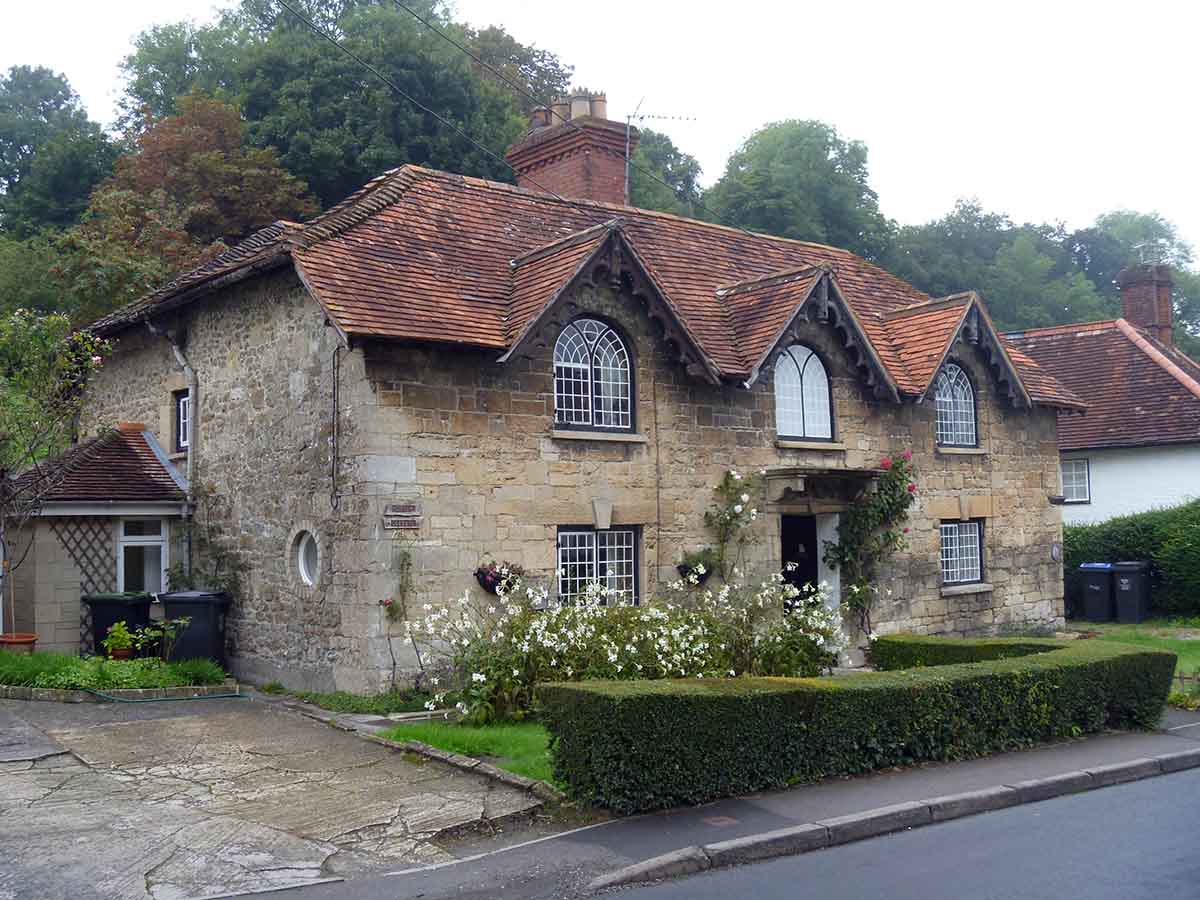
The process of revitalising an abandoned house allows the buyer to create a desirable living space tailored to modern standards, offering the potential for a strong return on investment once the project is complete.
Community Contribution
Beyond the financial incentives, renovating an empty home is a tangible contribution to local communities.
With empty homes constituting approximately 3% of the UK’s total housing stock, bringing these properties back into use helps address the national housing shortage. This revitalisation breathes new life into neglected spaces, improves the local streetscape, and can help uplift an entire neighbourhood.
Understanding these fundamentals is the first step. The next is learning how to locate these hidden opportunities.

The Search: How to Find Derelict Properties
Locating a derelict property for sale requires moving beyond passive searching into a strategic process of creating a deal pipeline. These opportunities are rarely advertised like standard homes, demanding a proactive and multi-faceted approach.
This section details the most effective methods for uncovering these hidden gems, tailored for UK buyers.
1. Online Property Platforms: Mainstream portals such as Rightmove, Zoopla, and PrimeLocation are excellent starting points.
These platforms allow users to filter listings by location, price, and keywords like “renovation” or “derelict” to identify properties in a poor state of repair. A number of specialised websites exist that focus exclusively on run-down properties with development potential.
2. Property Auctions: Auctions are a very popular channel for buying derelict properties for sale in Britain. Auction houses like Pattinson Auction frequently feature homes that require significant work.
The property auction process is fast-paced, and a deposit is usually required on the day of the sale. It is absolutely crucial for prospective bidders to conduct a thorough title search and a full property assessment before the auction day to avoid costly surprises.
3. Government and Local Authority Channels: Local councils often maintain records of empty or abandoned properties within their area. Their websites may list these properties, and prospective buyers can also speak directly with the council’s empty homes officer for information and guidance.
4. Estate Agents and Professional Networks: Building relationships with local estate agents is a vital strategy. Agents often have access to unlisted or distressed properties and can provide invaluable market insights, or they may know of derelict property for sale which is not actually listed on the open market.
Specialist agencies, such as Balfours LLP, have particular expertise in this area and can guide buyers through the unique complexities of purchasing an abandoned or run-down disused home.
5. Proactive ‘Driving Around’ Method: This hands-on technique involves physically scouting target areas you are particularly interested in for properties that show visible signs of neglect. This method can uncover opportunities that are not listed anywhere else.
Key tell-tale signs of an abandoned or derelict house include:
- Overgrown lawns and unkempt gardens.
- Boarded-up windows or doors.
- A state of visible disrepair that suggests structural issues, not just cosmetic neglect, such as damaged roofing or crumbling brickwork.
- A deleted council tax band, which can indicate that while taxes are being paid, no utility charges are being incurred.
- No cars parked outside for weeks at a time, suggesting no one is coming or going.
Important: Never make assumptions about an empty house or enter any property without permission, even if it appears to be derelict. If you do spot a building or run-down house, your first step should be to talk to someone locally and try to find out who owns the property.
A truly effective search combines these methods. Use online platforms to understand market pricing, then use the ‘Driving Around’ method to find off-market opportunities in your target areas.
Build relationships with local estate agents by bringing them potential properties you’ve found, establishing yourself as a serious, proactive buyer. Once a derelict property is identified, the critical process of due diligence must begin.

Derelict Homes: What to Investigate Before You Buy
Thorough due diligence is the most critical stage in the process of finding a derelict property for sale. This investigative phase is where you mitigate risk, understand the true scope of the project, and make an informed investment decision.
Rushing or skipping this step is the single biggest cause of project failure.
How To Identify The Legal Owner Of A Derelict Property
Before any offer can be made, you must definitively identify the legal owner of the property. There are several reliable methods to do this:
- HM Land Registry: This is the most reliable and official method. For a small fee of around £10, you can conduct a “title deeds search” which will reveal the owner’s name and other key details about the property’s legal status.
- Electoral Register: Checking the electoral roll for the property’s address can sometimes reveal the owner’s name. However, this method can be unreliable if former owners have not updated their details.
- Consulting Locals: Politely asking neighbours or local businesses if they have any information can be useful. However, you must be mindful of data protection laws, and this approach should be handled with professional courtesy. While neighbours can provide useful context, treat their information as anecdotal. Always verify legal ownership through official channels like the HM Land Registry.
Assessing the Derelict Property’s Physical State
A superficial viewing is not enough. While obvious signs like overgrown lawns indicate neglect, a professional assessment is essential to uncover deeper problems. Certain severe structural concerns can make a property unmortgageable and dramatically increase renovation costs, including:
- Subsidence
- Major roof or foundation issues
- Significant and widespread damp
Uncovering Potential Hazards with an Empty Building
Derelict properties, particularly those on former industrial (brownfield) sites, can harbour hidden dangers that require specialist removal and disposal. It is vital to investigate the potential presence of:
- Asbestos
- Lead, mercury, and other metals
- Hydrocarbons or chemicals in buried tanks
- Moulds and fungi
- Vermin, animal excreta, and other biohazards
The identification of any of these hazards, particularly asbestos or ground contamination, should be a primary input for your cost estimation and contingency planning, as remediation can often exceed all other property renovation expenses.
Checking the Planning and Legal Status of any Derelict Building
Contact the local authority to verify the property’s planning history. This will reveal past planning refusals, existing permissions, and any local zoning laws or conservation area restrictions that could limit or dictate your renovation plans.
Once this comprehensive investigation is complete, you can move toward the practicalities of purchase and renovation.

Derelict Property Purchase and Renovation: A General Overview
Purchasing and renovating a derelict property is a journey that follows a different path from a standard home purchase. The financial, legal, and practical steps are unique and require specialist knowledge. This section provides a general overview of these key stages.
Securing Appropriate Financing
One of the first major hurdles is financing. Traditional mortgages are generally not available for properties that are deemed uninhabitable by lenders. As a result, buyers typically turn to alternative solutions.
A common option is a bridging loan, but it’s essential to understand the risks. These loans are expensive, with typical rates of 0.8-1% per month, and are designed for short-term use only. They carry significant risk, as any delays in the renovation can lead to escalating costs and difficulty in securing a traditional mortgage to repay the loan.
The high monthly cost of a bridging loan makes your due diligence absolutely critical. A six-week delay caused by an unexpected planning issue or a dispute over a property line doesn’t just stall your project; it actively costs you thousands of Pounds in financing fees.
Key Legal Steps
The legal process requires heightened scrutiny. A thorough title search is essential to establish clear ownership and uncover any existing liens or unpaid back taxes against the property. It is crucial to be aware that these outstanding debts could become the buyer’s responsibility upon purchase.
Planning a Realistic Renovation
A successful project is built on a realistic and detailed plan. Rushing into the work without a clear strategy is a recipe for budget overruns and delays. Key components include:
• Detailed Blueprint: Create a comprehensive plan that includes clear timelines, a line-item budget, and a schedule for obtaining all required permits and planning permissions.
• Contingency Fund: Unforeseen costs are almost inevitable. It is wise to set aside an emergency fund of 10-20% of the total renovation budget. This is non-negotiable. Derelict properties often hide their most expensive secrets, such as asbestos in textured coatings, collapsed drainage, or rotted joists, which a property survey may not fully uncover.
• Professional Consultation: Engage with professionals early. Consulting with architects, surveyors, and structural engineers will provide expert guidance, ensure compliance with building regulations, and help create a feasible and effective renovation plan.
The Owner’s Duty of Care
From the moment of purchase, the owner of a derelict property has a legal duty of care. This means you must take all reasonable steps to ensure the property is secure and does not present a danger to the public, neighbours, or even trespassers. This includes implementing measures such as security fencing and displaying clear warning signage if required, particularly in larger derelict buildings.

Critical Risks and Pitfalls to Avoid
While the rewards of a successful derelict property renovation are high, the risks are equally significant. A lack of awareness of the common pitfalls can quickly turn a dream project into a financial disaster. This section highlights the most critical and often overlooked issues.
1. The ‘Uninhabitable’ Stamp Duty Trap This is arguably the most common and costly misunderstanding for new buyers. Assume you will pay the full residential Stamp Duty rate unless you have irrefutable proof the property is not a dwelling.
The bar for this is exceptionally high. Many buyers are misled by repayment agents into making incorrect claims. The Court of Appeal decision in Amarjeet and Tajinder Mudan [2024] EWCA Civ 799 confirmed HMRC’s strict interpretation.
HMRC explicitly states that the following common issues will not make a property unsuitable for use as a dwelling:
- Temporary removal of kitchen or bathroom facilities.
- The need for substantial repairs to windows, floors, or the roof.
- Replacement of a boiler and its associated pipework.
- Unsafe electrical wiring.
- Pest infestation or the need for new damp proofing.
- Most repairable structural defects.
2. Underestimating Renovation Costs and Timelines The biggest financial risk is underestimating the true cost and duration of the renovation. Hidden costs frequently emerge after the purchase is complete. Common sources of budget overruns include unexpected structural damage, the discovery of asbestos requiring specialist removal, the need for a complete plumbing or electrical overhaul, and issues related to ground contamination.
3. Legal and Title Complications Purchasing a derelict property with an unclear title, unresolved inheritance disputes, or outstanding financial liens can be catastrophic. These issues can lead to protracted and costly legal battles, and in the worst-case scenario, the complete loss of the property.
4. Security, Vandalism, and Public Liability Derelict properties in the UK are magnets for vandalism, trespassing, and other anti-social behaviour. This creates an ongoing security cost for the owner. Furthermore, it introduces a significant legal liability; under occupiers’ liability laws, the owner can be held responsible if a trespasser is injured on the property.
Derelict Properties Can Be Worthwhile and Rewarding
Purchasing and renovating a derelict property is a challenging journey that offers significant potential but demands extensive due diligence, realistic financial planning, and a clear-eyed understanding of the substantial risks involved.
It requires more than just capital; it demands patience, resilience, and a meticulous approach to every detail. For the well-prepared buyer, the reward of transforming a run-down and neglected property into a beautiful house or home is wonderful.
FAQ: Derelict Property For Sale in the UK
Frequently Asked Questions (FAQ)
This section answers some of the most common questions about finding and purchasing derelict properties in the UK.
- What is the definition of a derelict house?
A derelict house is a property that has fallen into such a poor state of disrepair that it is no longer suitable for living, business, or rental purposes. It is often vacant, structurally unsound, and requires significant renovation to become habitable. - Can I claim an abandoned house in the UK?
It is possible to claim ownership of an abandoned property through a legal process known as “adverse possession” after occupying it for a specified period (typically 10 years for registered property). However, this is a legally complex and intricate process. It is crucial to understand that trespassing is illegal, and anyone considering this path must seek professional legal advice. - Is it illegal to enter derelict buildings?
Yes. Entering a derelict building without the owner’s permission is considered trespassing and is illegal. You must always seek the necessary permissions before entering any such property. - Do you need planning permission to rebuild a derelict house?
Yes, rebuilding or making extensive alterations to a derelict house will almost certainly require planning permission from the local authority. It is essential to consult with the local planning department before commencing any work. - Can I get a normal mortgage on a derelict property?
Generally, no. It is not possible to secure a standard residential mortgage on a property that a lender considers to be uninhabitable. Alternative financing methods, such as bridging loans or a cash purchase, are usually required to acquire the property.